
The Art of Mindful Eating: Culinary Trends, Nutrition, and Food Culture
Food is more than fuel — it's memory, culture, pleasure, and connection. In an era of endless dietary advice and culinary trends, the most nourishing approach may be the simplest: eating with intention, savoring quality ingredients, and honoring the traditions that bring us together. Whether you're a home cook, a restaurant enthusiast, or simply someone who loves good food, here's what's shaping the world of food and drink today.
1. The Mindful Eating Movement
Mindful eating is the practice of bringing full attention to the experience of eating — noticing flavors, textures, hunger cues, and satiety. In a world of distracted dining (phones, screens, multitasking), reclaiming presence at meals improves digestion, reduces overeating, and enhances enjoyment. Simple practices: eat without screens, chew thoroughly, pause between bites, and express gratitude for your food. Mindful eating isn't about restriction — it's about deepening your relationship with nourishment.
2. Farm-to-Table and Local Sourcing
The farm-to-table movement has evolved from trend to expectation. Diners increasingly value transparency about where food comes from. Restaurants featuring local farms, seasonal menus, and regenerative agriculture practices are thriving. At home, farmers' markets, community-supported agriculture (CSA) shares, and home gardening connect eaters directly to their food sources. This shift supports local economies, reduces food miles, and delivers peak flavor — a tomato picked at peak ripeness tastes nothing like its supermarket counterpart.
3. Plant-Forward Cuisine
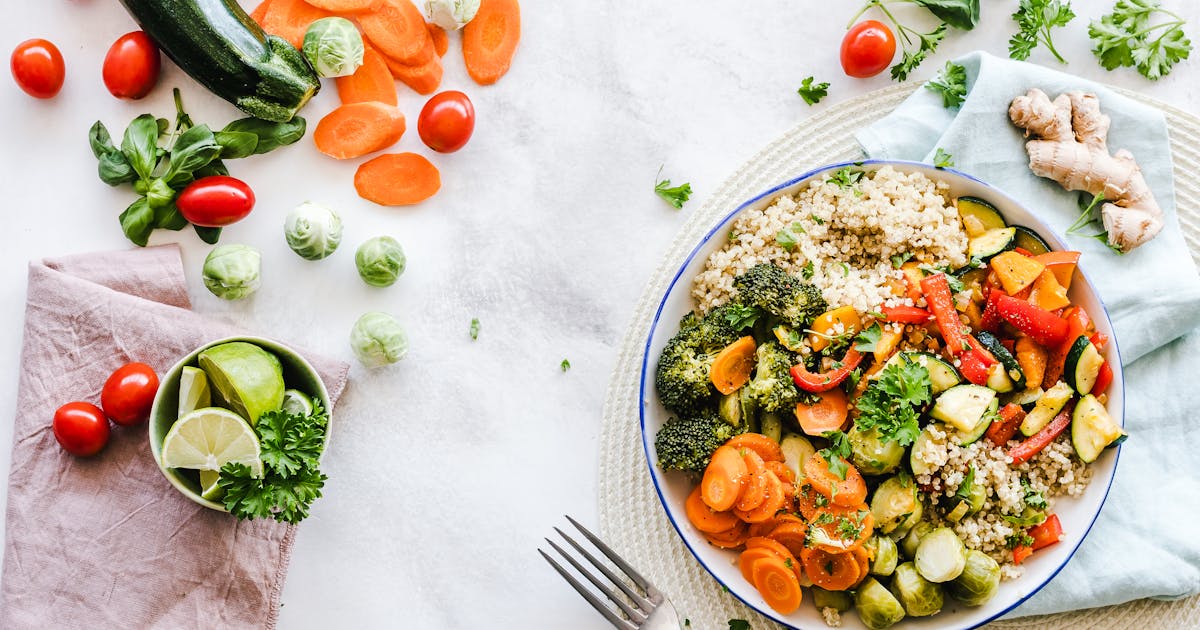
Plant-based eating has moved far beyond salads and substitutes. Today's plant-forward cuisine celebrates vegetables as the star — not as a compromise. Innovative chefs are creating dishes that highlight the natural complexity of mushrooms, root vegetables, legumes, and grains. The rise of high-quality meat alternatives appeals to flexitarians seeking to reduce meat consumption without sacrificing flavor. This shift is driven by health considerations, environmental concerns, and sheer culinary creativity. Even traditional meat-centric cuisines are embracing vegetable-centric preparations.
4. Global Flavors and Culinary Fusion
The modern palate is increasingly adventurous. Korean gochujang, Japanese miso, Middle Eastern za'atar, West African suya spice, and Mexican mole are now pantry staples beyond their regions of origin. Culinary fusion — respectful blending of traditions — produces exciting new flavor combinations. The rise of diaspora cuisine celebrates authenticity while introducing traditional dishes to new audiences. Social media has accelerated flavor discovery, with home cooks and professional chefs sharing global recipes and techniques.
5. The Fermentation Renaissance
Fermented foods are enjoying renewed appreciation for both flavor and gut health benefits. Kimchi, kombucha, sourdough, miso, sauerkraut, and kefir are now mainstream. Fermentation transforms ingredients, developing complex flavors while introducing beneficial probiotics. Home fermentation projects — from sourdough starters to DIY pickles — connect cooks to traditional food preservation methods. The science of the gut microbiome continues to reveal how fermented foods support immunity, digestion, and even mental health through the gut-brain axis.
6. The Modern Cocktail Renaissance
Drink culture has undergone its own renaissance. Craft cocktails emphasize quality ingredients, precise technique, and creative presentation. Bartenders now command the same respect as chefs, with cocktail programs featuring house-made bitters, small-batch spirits, and seasonal ingredients. Low-ABV and non-alcoholic "spirit" alternatives cater to mindful drinking trends. Wine culture embraces natural, organic, and low-intervention wines, with younger drinkers prioritizing transparency and sustainability alongside flavor.
7. Sustainable Seafood and Ethical Sourcing
Ocean health concerns have reshaped seafood consumption. Consumers seek sustainably sourced seafood certified by organizations like the Marine Stewardship Council. Aquaculture (fish farming) has improved dramatically, with land-based recirculating systems reducing environmental impact. Regenerative ocean farming — cultivating kelp, oysters, and mussels — restores marine ecosystems while producing nutrient-dense food. Understanding labels and asking about sourcing helps consumers make informed choices.
8. Zero Waste Cooking
Food waste is a global challenge — roughly one-third of food produced is wasted. Zero-waste cooking transforms this problem into creativity. Techniques include: using vegetable scraps for stock, pickling stems, turning stale bread into breadcrumbs or panzanella, and composting remaining scraps. Restaurants are leading with nose-to-tail butchery and root-to-stem vegetable preparations. At home, meal planning, proper storage, and creative use of leftovers reduce waste and stretch grocery budgets.
9. Food as Medicine
The connection between diet and health is increasingly recognized. Functional foods — ingredients with documented health benefits — are gaining attention. Turmeric (anti-inflammatory), mushrooms (immune support), fermented foods (gut health), and omega-3-rich fish (brain health) are valued for more than flavor. Culinary medicine programs now train healthcare professionals in nutrition counseling. However, the best approach remains balanced, whole-food eating rather than obsessing over individual "superfoods."
10. The Return to Home Cooking
Despite abundant dining options, home cooking is experiencing a revival. People are rediscovering the satisfaction of preparing meals from scratch. Cooking at home offers control over ingredients, portion sizes, and nutrition — plus the meditative joy of creating something with your hands. Meal kits and cooking content make home cooking more accessible than ever. Gathering around a home-cooked meal — whether simple or elaborate — remains one of life's fundamental pleasures.
Food and drink are threads that weave through every culture and every life. Whether you're exploring new flavors, cooking for loved ones, or simply savoring a quiet meal alone, food offers endless opportunities for discovery and connection. The most nourishing approach isn't following trends — it's eating with intention, respecting ingredients, and sharing meals with people who matter. Taste deeply, cook joyfully, and let food be what it's always been: a celebration of life itself.




 English (US) ·