
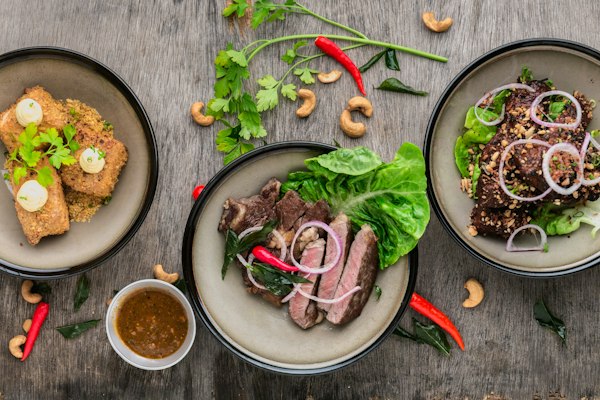
[Medium Featured Image: A beautifully plated gourmet meal with fresh herbs, colorful vegetables, and an artful sauce drizzle on a rustic wooden table with natural lighting]
Food is more than fuel — it's culture, comfort, creativity, and connection. The meals we prepare and share shape our health, our memories, and our relationships. In a world overflowing with diet trends and conflicting nutrition advice, finding joy in real, wholesome food has never been more important.
This guide explores the best of food and drink: how to cook smarter, eat more mindfully, explore global cuisines, pair beverages with meals, and build habits that nourish both body and soul.
The Art of Eating Well
Mindful Eating — Why It Matters
Mindful eating is the practice of paying full attention to the experience of eating — the flavors, textures, aromas, and sensations. Studies show that eating without distractions (no phones, TV, or scrolling) leads to better digestion, smaller portions, and greater satisfaction with less food.
- Eat slowly and chew thoroughly — aim for 20–30 chews per bite
- Sit at a table, not at your desk or on the couch
- Put down your utensils between bites
- Notice when you are comfortably full and stop there
- Remove distractions — no screens during meals
Building a Balanced Plate
A well-balanced meal includes three key components:
- Protein — chicken, fish, eggs, tofu, legumes, or lean meat for satiety and muscle repair
- Complex carbohydrates — whole grains, sweet potatoes, quinoa, brown rice for sustained energy
- Vegetables or fruits — fill half your plate with colorful produce for fiber, vitamins, and antioxidants
- Healthy fats — avocado, olive oil, nuts, seeds for flavor and nutrient absorption
Pro Tip: The "plate method" makes healthy eating effortless: fill 50% with vegetables, 25% with lean protein, and 25% with whole grains or starchy vegetables. Add a small serving of healthy fat and you have a perfectly balanced meal.
Global Cuisines to Explore
CuisineSignature DishesKey Flavors| Italian | Pasta, risotto, bruschetta, tiramisu | Tomato, basil, olive oil, garlic, parmesan |
| Japanese | Sushi, ramen, miso soup, okonomiyaki | Umami, soy sauce, miso, sake, sesame |
| Mexican | Tacos, guacamole, enchiladas, mole | Chili, lime, cilantro, cumin, avocado |
| Thai | Pad Thai, green curry, tom yum, mango sticky rice | Lemongrass, coconut, fish sauce, chili, basil |
| Indian | Butter chicken, biryani, dosa, chana masala | Turmeric, garam masala, ginger, cardamom, ghee |
| Lebanese | Hummus, falafel, tabbouleh, kebabs | Tahini, lemon, garlic, parsley, sumac |
Smart Cooking Tips for Busy Lives
You don't need hours in the kitchen to eat well. These strategies make home cooking practical and enjoyable:
- Meal prep on Sundays — chop vegetables, cook grains, portion proteins for the week ahead
- One-pan meals — toss protein and vegetables on a sheet pan with olive oil and spices, roast at 400°F for 20–30 minutes
- Batch cook staples — a big pot of lentils, quinoa, or roasted vegetables lasts 4–5 days
- Use your freezer — soups, stews, and sauces freeze beautifully for busy days
- Invest in good tools — a sharp chef's knife, a cast iron skillet, and a quality blender make cooking faster and more enjoyable
The World of Drinks
Hydration — The Foundation
Water is the most important drink for your health. It regulates body temperature, supports digestion, transports nutrients, and keeps your skin glowing. While the classic 8-glasses-a-day rule is a good starting point, individual needs vary based on activity level, climate, and body size.
- Start your day with a glass of water — you've gone 7–8 hours without hydration
- Add lemon, cucumber, mint, or berries for natural flavor without sugar
- Herbal teas (chamomile, peppermint, ginger, rooibos) count toward hydration
- Limit sugary drinks — sodas, sweetened coffees, and fruit juices are the largest source of added sugar in most diets
Coffee and Tea
Both coffee and tea are rich in antioxidants and have been linked to numerous health benefits, including reduced risk of heart disease, type 2 diabetes, and certain cancers. The key is to enjoy them without excessive sugar or cream.
- Coffee — 1–3 cups daily is associated with positive health outcomes. Avoid drinking after 2 PM if you are sensitive to caffeine.
- Green tea — rich in catechins (powerful antioxidants) and L-theanine (calming amino acid)
- Matcha — powdered green tea with concentrated antioxidants and sustained energy without jitters
Pairing Drinks with Food
Wine and food pairing is an art, but the basic principle is simple: match weight and intensity. Light dishes pair well with light beverages; rich dishes call for fuller-bodied drinks.
- White wine (Sauvignon Blanc, Pinot Grigio) with seafood, salads, and light pastas
- Red wine (Cabernet Sauvignon, Merlot) with red meat, hearty stews, and aged cheeses
- Beer — lagers with grilled meats and spicy food, IPAs with bold curries and burgers
- Non-alcoholic options — sparkling water with citrus, kombucha, or mocktails with fresh herbs and fruit
Healthy Comfort Food Recipes
5-Ingredient Creamy Avocado Pasta
Ingredients: 2 ripe avocados, 1 lemon (juiced), 3 cloves garlic, 1/4 cup olive oil, 300g pasta.
Method: Cook pasta al dente. Blend avocado, lemon juice, garlic, and olive oil until smooth. Toss with hot pasta. Season with salt, pepper, and chili flakes. Ready in 15 minutes.
One-Pan Lemon Herb Salmon with Vegetables
Ingredients: 2 salmon fillets, 1 lemon (sliced), 2 cups broccoli florets, 1 cup cherry tomatoes, 2 tbsp olive oil, garlic, herbs.
Method: Toss vegetables with oil and herbs on a sheet pan. Place salmon on top, season, add lemon slices. Bake at 400°F for 18–20 minutes.
Kitchen Shortcut: Keep a well-stocked pantry with good olive oil, sea salt, black pepper, garlic, onions, canned tomatoes, lentils, rice, and spices. With these basics, you can make a delicious meal from almost anything in your fridge.
FAQ
Q: What is the healthiest way to cook vegetables?
Steaming and roasting preserve the most nutrients while adding great flavor. Steaming retains water-soluble vitamins (C, B), while roasting caramelizes natural sugars for deeper taste. Avoid boiling for long periods, as nutrients leach into the water.
Q: How much water should I drink daily?
A general guideline is 2–3 liters (8–12 cups) per day, but needs vary. A simple test: if your urine is pale yellow, you're well-hydrated. Dark yellow means drink more. Clear means you may be overhydrating.
Q: Is eating late at night bad for you?
It's not the timing that matters most, but what and how much you eat. A light, nutrient-dense snack (yogurt, fruit, nuts) before bed is fine. Large, heavy meals close to bedtime can disrupt sleep quality and digestion.
Q: What are the best protein sources for plant-based eaters?
Lentils, chickpeas, black beans, tofu, tempeh, edamame, quinoa, seitan, hemp seeds, and nutritional yeast are excellent plant-based protein sources. Combining different plant proteins throughout the day ensures you get all essential amino acids.
Q: How can I reduce sugar without feeling deprived?
Start by reducing sugar gradually — your taste buds adapt over 2–3 weeks. Swap sugary drinks for water with fruit, choose dark chocolate (70%+ cacao) over milk chocolate, and satisfy sweet cravings with fruit. After a few weeks, foods you once found sweet will taste overly sugary.
Q: What is the difference between sea salt and table salt?
Both contain similar sodium content by weight. Sea salt is less processed and may contain trace minerals. Table salt is finely ground and usually contains added iodine (important for thyroid health) and anti-caking agents. Use whichever you prefer — just watch your total sodium intake.
Conclusion
Food and drink are among life's greatest pleasures. The secret to enjoying them well is not strict rules or impossible diets — it's balance, variety, and mindfulness. Cook with curiosity, eat with gratitude, and drink with intention.
Whether you're exploring a new cuisine, perfecting a family recipe, or simply trying to eat a little better each day, remember that every meal is an opportunity to nourish yourself and connect with others. Bon appétit!





 English (US) ·