
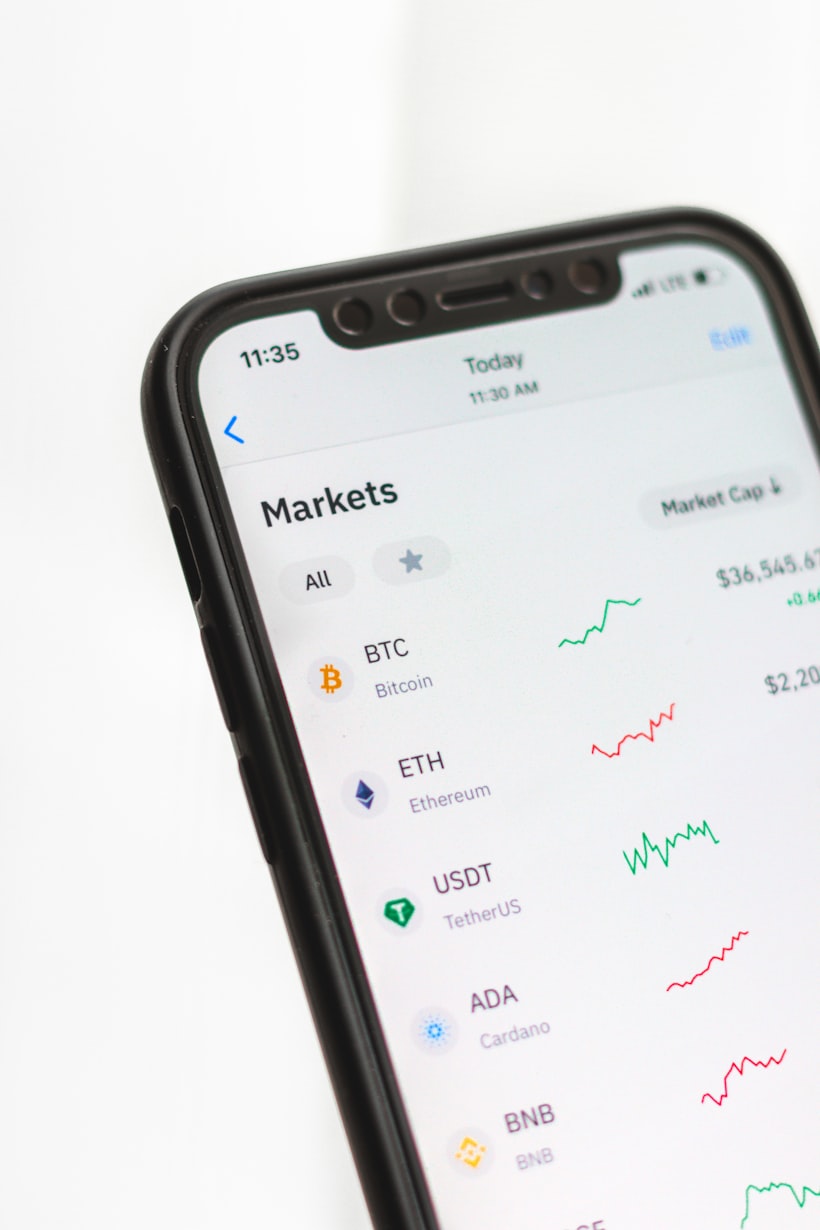
[Featured Image Prompt: Digital cryptocurrency coins Bitcoin and Ethereum glowing on a futuristic blue circuit-board background, blockchain network lines connecting them, sleek tech aesthetic]
Introduction: Why Cryptocurrency Matters Now More Than Ever
Cryptocurrency has evolved from a niche internet experiment into a global financial force. In 2026, the total crypto market capitalization exceeds $5 trillion, with institutional adoption at an all-time high. Governments, banks, and Fortune 500 companies are actively building on blockchain technology. Whether you're a complete beginner or looking to deepen your knowledge, understanding crypto is no longer optional — it's essential.
This guide covers everything you need to know: how cryptocurrency works, the top coins to watch, decentralized finance (DeFi), how to buy and store crypto safely, regulatory developments, and the trends shaping the industry in 2026.
What Is Cryptocurrency?
Cryptocurrency is digital money that uses cryptography for security and operates on decentralized networks called blockchains. Unlike traditional currencies issued by central banks, cryptocurrencies are not controlled by any single entity. Transactions are verified by a distributed network of computers (nodes) and recorded on an immutable public ledger.
- Decentralized — no central authority or bank controls it
- Peer-to-peer — you can send money directly to anyone, anywhere
- Transparent — all transactions are publicly verifiable on the blockchain
- Secure — cryptographic algorithms protect against fraud and counterfeiting
- Borderless — works globally without intermediaries or currency conversion fees
Top Cryptocurrencies to Know in 2026
CoinTickerKey Use CaseMarket Cap Rank| Bitcoin | BTC | Digital gold, store of value | #1 |
| Ethereum | ETH | Smart contracts, DeFi, dApps | #2 |
| Solana | SOL | High-speed DeFi and gaming | #3 |
| Chainlink | LINK | Oracle network for real-world data | #4 |
| Polygon | POL | Ethereum scaling & infrastructure | #5 |
How to Buy Cryptocurrency Safely
Getting started with crypto is easier than ever. Here's a step-by-step guide:
- Choose a reputable exchange — Coinbase, Binance, Kraken, or Crypto.com are among the most trusted in 2026
- Verify your identity — most regulated exchanges require KYC (Know Your Customer)
- Fund your account — deposit fiat currency (USD, EUR) via bank transfer, debit card, or PayPal
- Place your first order — buy at market price or set a limit order for a specific price
- Transfer to a private wallet — never leave large amounts on an exchange. Use a hardware wallet (Ledger, Trezor) for long-term storage
Security Warning: Always enable two-factor authentication (2FA) on every exchange and wallet. Never share your private keys or seed phrase with anyone. If someone asks for your seed phrase, it is a scam — period.
DeFi — Decentralized Finance in 2026
DeFi has grown into a $500+ billion ecosystem. It replaces traditional financial intermediaries (banks, brokers, insurers) with smart contracts. The most popular DeFi activities include:
- Lending and borrowing — earn interest by supplying liquidity or borrow against your crypto
- Yield farming — provide liquidity to decentralized exchanges and earn rewards
- Staking — lock your coins to help secure a proof-of-stake network and earn passive income
- DEX trading — swap tokens directly on decentralized exchanges like Uniswap and Jupiter
- Real-world assets (RWA) — tokenized stocks, bonds, and real estate are the fastest-growing DeFi sector in 2026
Staking — Passive Income Made Simple
Staking has become one of the most popular ways to earn passive income in crypto. By locking your coins (e.g., ETH, SOL, ADA) to help validate transactions on a proof-of-stake blockchain, you earn rewards ranging from 4–20% APY depending on the network. Unlike mining, staking requires no specialized hardware and is accessible to anyone.
Crypto Regulation — What Changed in 2026
Regulation has been the defining story of crypto in 2026. Major developments include:
- US stablecoin legislation — clear rules for issuers of USDC, USDT, and new entrants
- EU MiCA fully implemented — comprehensive crypto framework across all 27 member states
- Spot Bitcoin and Ethereum ETFs — now available in over 20 countries, driving massive institutional inflows
- Tax clarity — most jurisdictions now have clear crypto tax guidelines, including cost-basis tracking and reporting
Did You Know? In 2026, over 60% of global institutional investors now have crypto exposure, up from just 15% in 2022. Pension funds and endowments are the fastest-growing segment.
Top Crypto Trends for 2026
- AI x Crypto — decentralized AI training, GPU marketplaces, and AI-powered trading bots
- Tokenization of everything — real estate, art, commodities, and even personal data are being tokenized
- Layer-2 scaling — Ethereum L2s (Arbitrum, Optimism, Base) now process 90%+ of transactions, with sub-cent fees
- Payments infrastructure — Visa, Mastercard, and PayPal now settle crypto transactions in seconds
- Self-custody wallets — account abstraction (ERC-4337) makes wallets as easy to use as bank apps
Risks and How to Manage Them
Crypto remains a high-risk asset class. Here's how to approach it responsibly:
- Volatility — prices can swing 20–50% in weeks. Only invest what you can afford to lose
- Scams — rug pulls, phishing, and social engineering are rampant. Stick to established projects and never click suspicious links
- Regulatory risk — sudden policy changes can impact markets. Stay informed about your local laws
- Self-custody responsibility — lose your seed phrase and you lose your funds forever. Back it up in multiple secure locations
FAQ
Q: Is cryptocurrency legal in 2026?
Yes, in most countries. The US, EU, UK, Canada, Australia, Japan, Singapore, and many others have clear regulatory frameworks. A few countries (China, Saudi Arabia) maintain restrictions. Always check local regulations.
Q: How much money do I need to start?
You can start with as little as $10–$50. Most exchanges allow fractional purchases (e.g., buy $20 worth of Bitcoin). Start small, learn the ropes, and scale up as your confidence grows.
Q: What is the difference between a hot wallet and a cold wallet?
A hot wallet is connected to the internet (e.g., MetaMask, Phantom) — convenient but more vulnerable to hacks. A cold wallet (hardware wallet like Ledger or Trezor) stores your keys offline — much safer for long-term holdings.
Q: Is crypto taxed?
Yes, in most jurisdictions. Crypto is treated as property (US) or an asset (EU, UK). Selling, trading, spending, or earning crypto generally triggers a taxable event. Use crypto tax software (Koinly, CoinTracker) to simplify reporting.
Q: What is the best cryptocurrency to buy in 2026?
There is no single "best" crypto. Bitcoin and Ethereum are the safest entry points for beginners. For higher risk/reward, research projects in AI, DeFi, and real-world asset tokenization. Never invest based on hype or social media tips.
Conclusion
Cryptocurrency is reshaping the global financial system. In 2026, the technology has matured, regulation has provided clarity, and adoption has reached a tipping point. Whether you want to invest, build, or simply understand this new asset class, now is the time to get educated.
Start small, prioritize security, and never stop learning. The crypto revolution is still in its early innings — and the opportunities ahead are massive.




 English (US) ·