

The Road Ahead: Electric Revolution, Automotive Innovation, and the Future of Mobility
The automotive industry is undergoing its most profound transformation since the invention of the assembly line. Electric powertrains, autonomous technology, connected vehicles, and shifting consumer values are reshaping everything about how we move. Whether you're a daily commuter, a weekend enthusiast, or simply curious about where transportation is headed, here's what you need to know about the world of autos and vehicles today.
1. The Electric Vehicle Revolution
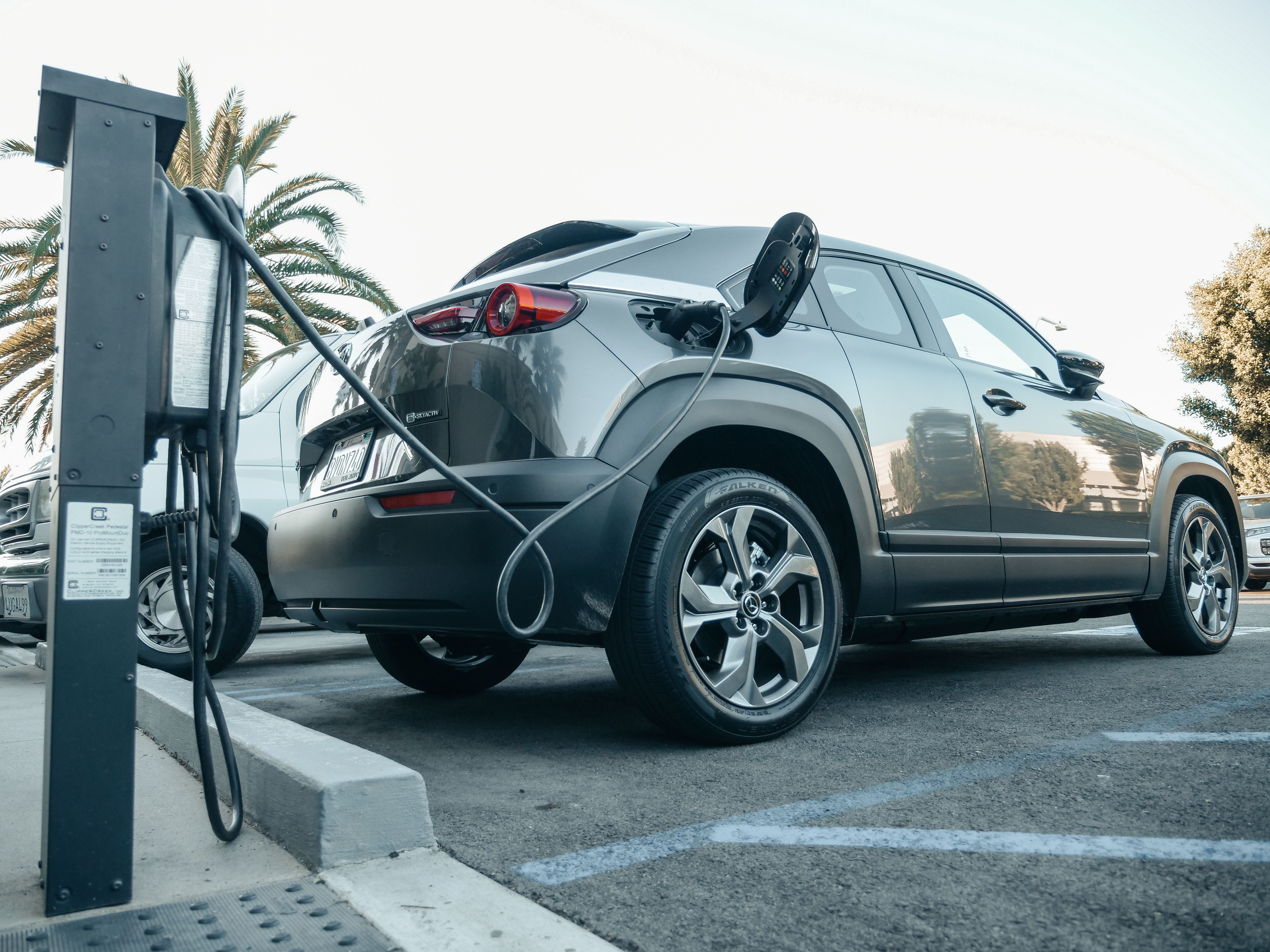
Electric vehicles (EVs) have moved from niche to mainstream. Global EV sales surpassed 20% of new vehicle sales in 2025, with projections reaching 50% by 2030. Every major automaker now offers electric models, from affordable compact cars to luxury sedans and full-size trucks. Range anxiety is diminishing — many EVs now exceed 300 miles per charge, and charging infrastructure is expanding rapidly. Federal and state incentives continue to accelerate adoption. The shift to electric represents not just a technological change but a fundamental rethinking of automotive design, performance, and ownership.
2. Autonomous Driving: From Assist to Autonomy
Self-driving technology is advancing in stages. Level 2+ driver-assist features (adaptive cruise control, lane keeping, automated parking) are now common across many models. Level 3 systems — allowing hands-off driving under specific conditions — have been approved in several regions. Fully autonomous (Level 4-5) robotaxis are operating in limited cities, with companies like Waymo, Cruise, and Tesla expanding their footprints. The path to full autonomy involves technical, regulatory, and public acceptance hurdles, but the trajectory is clear: vehicles will increasingly take over driving tasks, promising safety and mobility benefits.
3. Charging Infrastructure and Battery Technology
Range and charging speed are critical to EV adoption. Ultra-fast chargers (350kW+) can add 200 miles of range in 10–15 minutes. The North American Charging Standard (NACS) is unifying the charging ecosystem, simplifying long-distance travel. Solid-state batteries — offering higher energy density, faster charging, and improved safety — are nearing commercial production. Battery recycling and second-life applications are emerging industries, addressing sustainability concerns. Home charging remains the most convenient option for EV owners, with smart chargers enabling off-peak, solar-integrated charging.
4. The Software-Defined Vehicle
Modern vehicles are increasingly defined by software rather than hardware. Over-the-air (OTA) updates allow manufacturers to add features, fix issues, and improve performance remotely — just like a smartphone. Features like advanced driver assistance, infotainment, and even performance characteristics can be upgraded post-purchase. This shift changes the ownership experience and creates new business models, including subscription-based features. For consumers, it means vehicles that improve over time rather than depreciating as purely hardware assets.
5. Sustainable Manufacturing and Circular Economy
Automakers are increasingly focused on sustainability beyond tailpipe emissions. Manufacturing plants are transitioning to renewable energy. Materials innovation includes recycled plastics, plant-based fabrics, and even mushroom-derived leather alternatives. Battery production and recycling are becoming closed-loop systems. Vehicle design increasingly considers end-of-life recyclability. The industry's goal: net-zero emissions across the entire vehicle lifecycle — from raw materials to production to operation to disposal.
6. Enthusiast Culture in an Electric Era
For automotive enthusiasts, the shift to electric raises questions about the future of driving passion. EVs offer instant torque, silent acceleration, and low center of gravity — characteristics that redefine performance. However, the visceral connection of a manual transmission, engine sound, and mechanical character is evolving. Enthusiast communities are embracing electric performance, with track-capable EVs like the Porsche Taycan, Tesla Model S Plaid, and Lucid Air Sapphire demonstrating new dimensions of driving engagement. The aftermarket is also adapting, with EV tuning and customization emerging.
7. The Return of Affordable EVs
Early EVs focused on premium segments, but affordable options are now proliferating. Models under $35,000 are becoming available, with even lower-priced vehicles expected as battery costs continue declining. Used EV markets are developing, offering accessible entry points. The combination of lower operating costs (electricity vs. gasoline) and reduced maintenance makes EVs increasingly economical for mainstream consumers. Federal and state incentives further improve affordability.
8. Alternative Powertrains and Future Fuels
While battery-electric dominates headlines, alternative powertrains continue to evolve. Hydrogen fuel cell vehicles remain relevant for commercial fleets and heavy-duty applications where battery weight and charging time are constraints. Hybrid vehicles (both plug-in and traditional) serve as transition vehicles for consumers not ready for full electrification. Synthetic fuels and e-fuels are being explored for internal combustion engine preservation, particularly in motorsports and collector car communities.
9. Mobility-as-a-Service and Changing Ownership Models
Car ownership is evolving. Subscription services offer flexible access without long-term commitment. Ride-hailing and car-sharing reduce the need for personal vehicle ownership in dense urban areas. The concept of "mobility-as-a-service" integrates public transit, ride-hailing, bike-sharing, and car rentals into unified platforms. For younger generations, access to mobility may matter more than vehicle ownership. Automakers are increasingly positioning themselves as mobility companies, not just manufacturers.
10. Safety, Regulation, and Consumer Education
As vehicles become more technologically complex, safety and consumer education are paramount. New safety features (automatic emergency braking, blind-spot monitoring, driver attention monitoring) are becoming standard. However, understanding the capabilities and limitations of driver-assist systems remains critical — driver attention is still required. Regulatory frameworks are evolving to address autonomous vehicles, cybersecurity, and data privacy. Consumer education efforts aim to ensure drivers understand their vehicles' capabilities and responsibilities.
The automotive world is in the midst of a once-in-a-century transformation. The vehicles we drive — and how we think about mobility — will look dramatically different a decade from now. Whether you're an early adopter embracing electric and autonomous technology or someone who cherishes the mechanical soul of a classic car, there's never been a more exciting time to be interested in autos and vehicles. The road ahead is full of possibility.



 English (US) ·