
🏡 HOME & GARDEN
⚡ Transform your living space into a haven. Explore timeless design principles, eco-friendly gardening, and intentional home practices that enhance daily life.
🌿 Barcha Home Desk
Home is more than a place — it's a feeling. In our fast-paced world, the spaces we inhabit profoundly influence our well-being, relationships, and sense of peace. Whether you're renovating a room, planting a garden, or simply seeking ways to make your home more nurturing, the principles of thoughtful design and sustainable living can transform any space into a sanctuary. Here's how to create a home and garden that truly supports the life you want to live.
1. The Power of Intentional Design
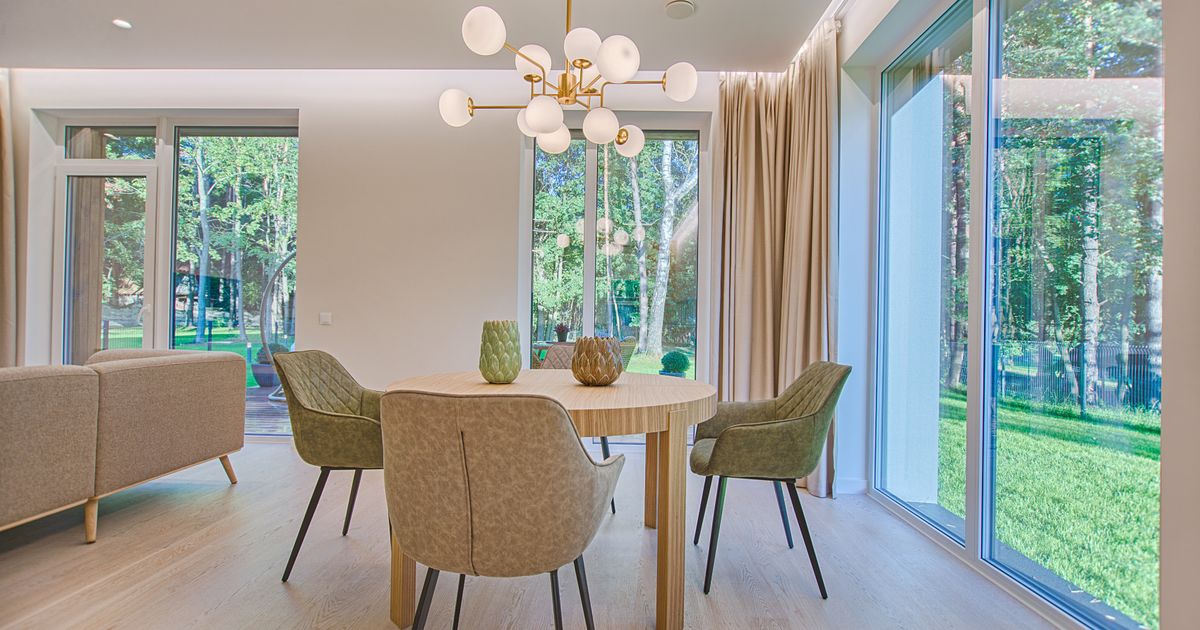
Great design isn't about following trends — it's about creating spaces that reflect how you actually live. Start with function: how do you use each room? What activities matter most? Then layer in aesthetics that bring you joy. The principles of biophilic design — connecting occupants to nature — have been shown to reduce stress and improve cognitive function. Natural light, organic materials, indoor plants, and views to the outdoors are essential elements. Quality over quantity: a few meaningful, well-crafted pieces create more peace than clutter.
🧠 Research Note: Studies from the Journal of Environmental Psychology show that homes with natural elements and personal meaningful objects reduce cortisol levels and increase reported life satisfaction by up to 23%.
2. Sustainable Home Practices
Creating an eco-friendly home benefits both the planet and your wallet. Energy efficiency starts with proper insulation, energy-efficient windows, and smart thermostats. Solar panels have become increasingly accessible with falling costs and incentives. Water conservation through low-flow fixtures, rainwater harvesting, and drought-tolerant landscaping reduces utility bills. Indoor air quality matters: choose low-VOC paints, natural cleaning products, and proper ventilation. The most sustainable home is one that's built to last, with durable materials and timeless design that won't need frequent replacement.
3. The Kitchen as Heart of the Home
Kitchens have evolved beyond cooking spaces into gathering places. Modern kitchen design emphasizes functionality, durability, and warmth. Key considerations: workflow (the classic work triangle between sink, stove, refrigerator), ample storage (pull-out drawers, pantry organization), durable surfaces (quartz, butcher block, natural stone), and lighting (task, ambient, and accent). Sustainable kitchens incorporate energy-efficient appliances, recycled materials, and design that minimizes waste. Whether you're a passionate cook or occasional preparer, a well-designed kitchen makes daily life easier and more enjoyable.
4. Outdoor Living and Garden Design
Outdoor spaces extend your living area and connect you to nature. Thoughtful garden design considers how you want to use the space: dining al fresco, quiet reading, children's play, or vegetable growing. Hardscaping (patios, paths, retaining walls) defines spaces, while softscaping (plants, trees, lawns) brings life and color. Native plants require less water and support local pollinators. Creating distinct "rooms" outdoors — a dining area, a lounge space, a productive garden — makes the garden feel like an extension of the home. Even small balconies and patios can become lush retreats with container gardens and vertical planting.
5. Edible Gardening and Growing Your Own Food
Growing food at home is deeply satisfying and increasingly popular. Vegetable gardens can range from a few pots of herbs to full-scale raised beds. Start with what you love to eat: tomatoes, peppers, leafy greens, and culinary herbs are beginner-friendly. Composting turns kitchen scraps into garden gold, reducing waste while enriching soil. Perennial edibles like fruit trees, berry bushes, and asparagus provide harvests for years. The act of tending plants connects us to seasonal rhythms and offers a tangible sense of accomplishment.
6. Decluttering and Mindful Organization
Physical clutter creates mental clutter. The practice of decluttering — keeping only items that serve a purpose or bring joy — creates space for what matters. The KonMari method (organizing by category, keeping what sparks joy) has inspired millions. Storage solutions should be functional and beautiful: built-ins, baskets, and furniture that conceals. Digital decluttering (email, photos, files) is equally important. A streamlined home requires less maintenance, reduces stress, and makes daily tasks easier. The goal isn't minimalism for its own sake, but intentionality about what you choose to keep.
7. Indoor Plants and Biophilia
Bringing plants indoors is one of the simplest ways to transform a space. Houseplants improve air quality, increase humidity, and create a sense of calm. Choose plants suited to your light conditions: snake plants and pothos for low light, fiddle-leaf figs and succulents for bright light. Plant care becomes a mindfulness practice — tending to living things connects us to nature's rhythms. Grouping plants creates visual impact, while a single statement plant can anchor a room. The trend toward larger, sculptural plants reflects our desire to bring the outdoors in.
8. Smart Home Technology
Home technology should enhance, not complicate, daily life. Smart thermostats learn your preferences and save energy. Lighting systems allow scheduling and remote control. Security cameras and doorbells provide peace of mind. Smart appliances offer convenience, but consider whether each addition truly serves your lifestyle. The most successful smart homes integrate technology seamlessly, prioritizing simplicity and reliability. As devices become more interoperable (Matter standard), creating a cohesive smart home ecosystem becomes easier.
9. Home for Wellness: Bathrooms and Bedrooms
Spaces dedicated to rest and renewal deserve special attention. Bedrooms should promote sleep: dark, quiet, cool, and free from screens. Invest in quality bedding, blackout curtains, and comfortable mattresses. Bathrooms increasingly function as spas: rainfall showers, soaking tubs, natural materials, and ample storage reduce morning stress. Consider heated floors, towel warmers, and thoughtful lighting. These spaces, where we begin and end each day, set the tone for our overall well-being.
10. Community and Connection
Home extends beyond our property lines. Creating connection with neighbors builds community resilience. Front porches, neighborhood gardens, and shared spaces invite interaction. Participating in local garden clubs, home tours, or neighborhood associations builds relationships. The most nurturing homes are part of thriving communities — places where people know each other, help each other, and share in the care of their shared environment.
Your home and garden are ongoing projects — never truly finished, always evolving with you. The goal isn't perfection but alignment: spaces that support who you are and how you want to live. Whether you're undertaking a major renovation, planting your first herb garden, or simply rearranging furniture to let in more light, each small change brings you closer to a home that truly feels like sanctuary. Start where you are, make one change at a time, and let your home grow with you.
#HomeAndGarden #SustainableLiving #GardenDesign #InteriorInspo #BiophilicDesign
© 2026 Barcha.net — inspiring spaces that nurture life, connection, and well-being.







 English (US) ·